

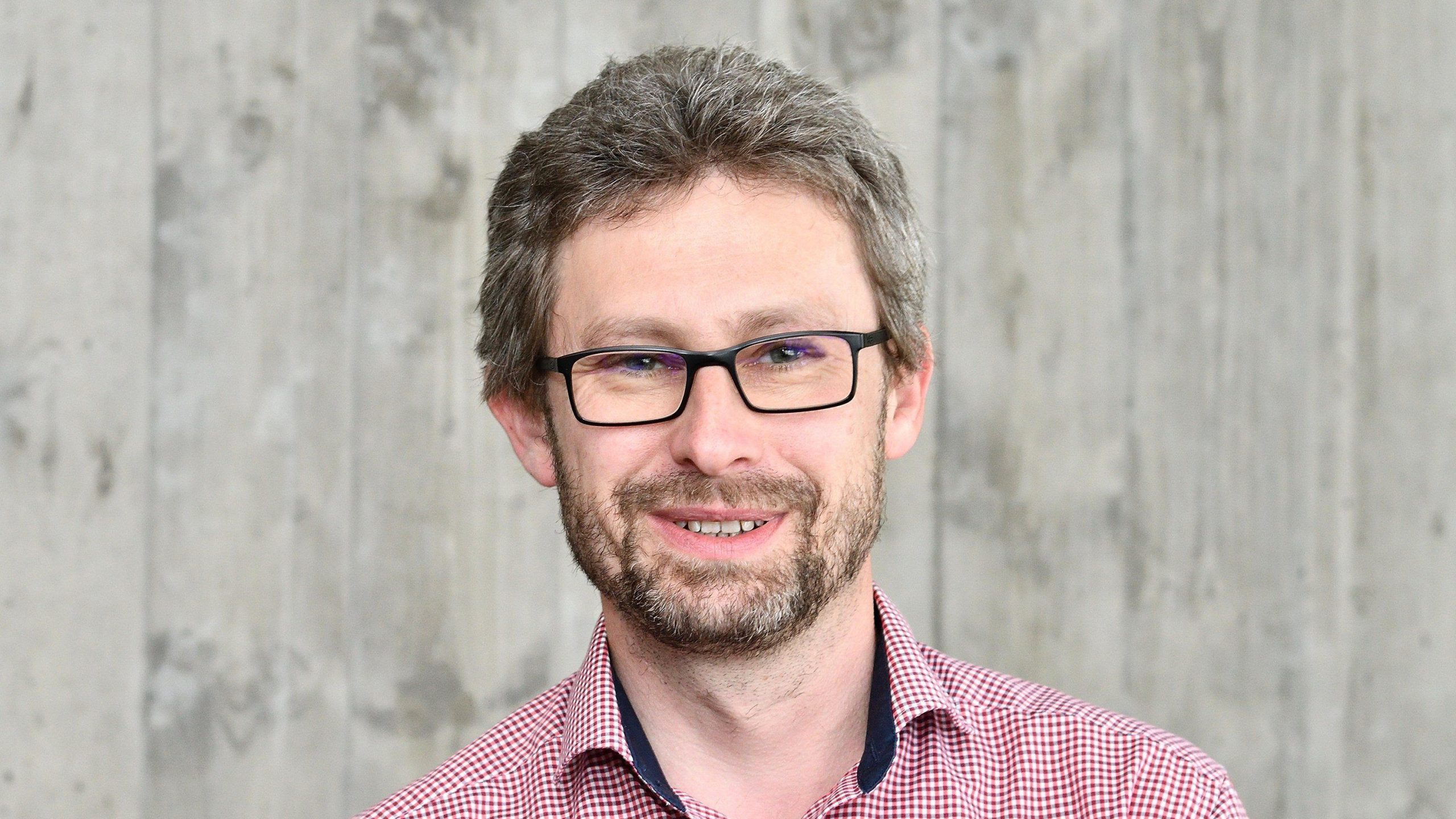
No man’s land and Jewish refugee statelessness in the late 1930s by Dr. Michal Frankl.
Thousands of Jews were abruptly driven from their homes in East Central Europe and transported or herded to the borders of neighboring states in 1938. They then languished between boundary stones, fences, or barriers in a no man’s land that could take the shape of barren, windy fields, cold, hostile forests, a rusty barge, or decrepit, abandoned factories.
These spaces were more than just sites of enormous suffering. As in-between spaces, not envisioned in the world of territorial nation-states, their spatial grammar strengthened and communicated the statelessness of refugees. Drawing on testimonies, reports of humanitarians and other documents, the talk will analyze the embodied experience of spatial statelessness. It will show that no man’s land was co-defined by the exposure to and interactions with nature and the imagination of the (absence of) refugee agency. These findings open space for discussion about the relevance for the situation of refugees
in the contemporary world.
About the Speaker:
Michal Frankl is the head of the department “Knowledge and Participation” of the Leibniz Institute for the History and Culture of Eastern Europe. He is the author of „Prag ist nunmehr antisemitisch“ (2011), a history of Czech antisemitism at the end of the 19 th century and together with Miloslav Szabó of Budování státu bez antisemitismu? (Building of a State With No Antisemitism?, 2015), an analysis of antisemitism in the transition from the Habsburg Empire to the Czechoslovak nation state. With Kateřina Čapková, he wrote Unsichere Zuflucht (2012), a critical history of Czechoslovak refugee policy in the 1930s. His last book (Občané země nikoho, Citizens of the No Man’s Land, 2023) examines the rapid appearance of no man’s lands for refugees at the end of the 1930s and the ethnonational reorientation of citizenship in Eastern and Central Europe. He was the principal investigator of the ERC Consolidator project “Unlikely refuge? Refugees and citizens in East-Central Europe in the 20th century” hosted the Masaryk Institute and Archives of the Czech Academy of Sciences. Starting with 2025, he is the principal investigator of the project “Migration and us: Mobility, Refugees and Borders in a Humanities Perspective” (MyGRACE) funded through the Johannes Amos Comenius Programme. He served as work package leader in the European Holocaust Research Infrastructure projects and helped to develop the EHRI Document Blog, online editions as well as the Geospatial Repository. ORCID 0000-0002-1012-2162
Register