

Application
Application is closed.
Course information
Contact
Jewish history isn’t just a subject—it’s a key to unlocking universal history. This course breaks away from rigid national narratives to explore a global Jewish experience that has spanned continents and centuries since 1700. While our core lies in the historic landscapes of Europe—from Poland-Lithuania to the Holy Roman Empire—our scope is global, reaching into the Ottoman Empire, Palestine/Eretz Israel, and the Americas. We will examine internal traditions (Sephardic and Ashkenazic Judaism), religious currents (rationalism, mysticism, messianism, Hasidism, Haskalah), and autonomous institutions (the Jewish community, the Council of the Four Lands), as well as the interaction between Jews and non-Jews across different contexts.
The aim is to challenge unilateral explanations and break down the schematic dichotomy that perceives the Jewish experience as oscillating between an autonomous Jewish space and an external space determined by others.
The course is given in collaboration with the Hochschule für Jüdische Studien Heidelberg and Paideia – The European Institute for Jewish Studies in Sweden.
Course Structure
The course consists of lectures, close reading and discussions.
Participants need to calculate for approximately 30 minutes to one hour of preparation work at home before each class.
Prior Knowledge
The course is given in English.
No prior knowledge about the subject is needed. All who are interested in Jewish history are welcome to apply.
To apply for this course, you need basic computer skills and knowledge of how to use the digital platform Zoom.
Course Material
Course material is included in the cost for this course.
About the Teacher
PD Dr Louise Hecht is a historian and senior lecturer in Jewish history. She was promoted doctor of Jewish History summa cum laude at Hebrew University, Jerusalem, and habilitated in Jewish Cultural History at Paris Lodron University Salzburg. She is currently working at Heidelberg University of Jewish Studies.
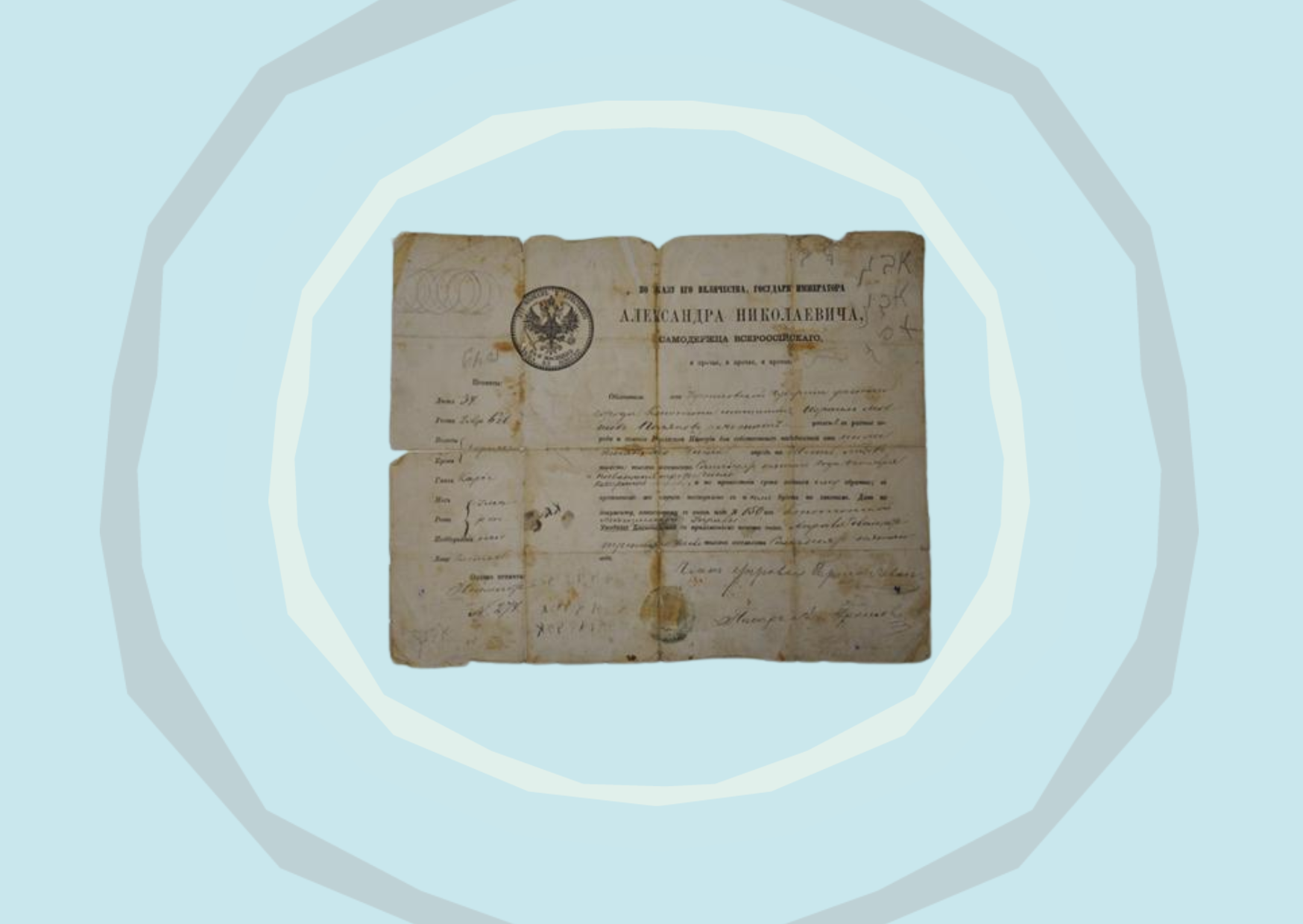
Image: BBC, A History of the World, ”Philip Pollecoff’s Passport”, accessed 2026-05-12. Collage made in Canva.
More Information About Profile Courses
Application
Application is closed.